After the EDUC3620 tutorial this week, I did not feel a high level of self-efficacy when researching LEGO EV3 robots and brainstorming how I would use them to effectively foster learning in the classroom. Loveless, Burton & Turvey (2006) discuss how pre-service teachers especially do not feel confident moving out of their comfort zone (similar to students).
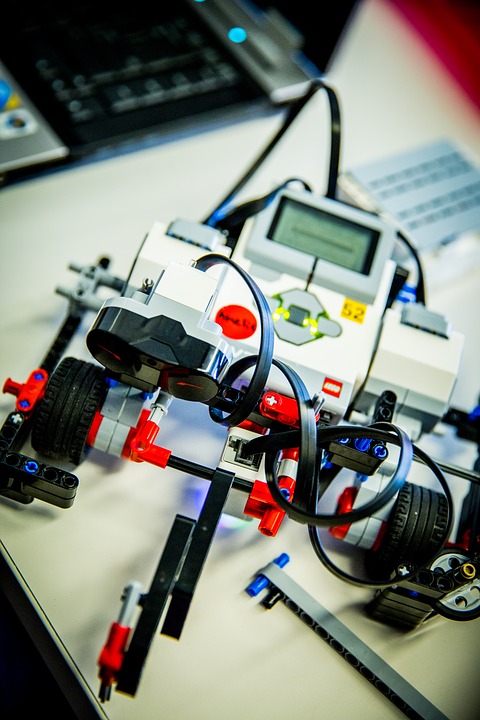
However, after seeing a number of students/schools utilizing this level of technology, I felt more inclined to try to learn to improve the breadth of offering I can provide in my classes. Robotics do allow for student-centred learning, since there are a number of tutorial videos to refer to online (make your robot drive) and inquiry based learning (succeeding after failures in programming the robot).
Robotics refers to machines which are capable of carrying out a number of complex actions (if programmed correctly). In the EDUC3620 lecture and tutorial, the most relevant robotics technology for secondary students was the LEGO EV3. I think many teachers (and pre-service teachers) feel a similar level of intimidation/lack of self-confidence when they hear the term ‘robotics’. They are not to know the difference between LEGO EV3 and Ozobots is stark (they differ substantially in terms of functionality and programmability), yet are both classified under robotics.
Ozobots seem more catered for primary school students due to the simplicity in their programming and capabilities. This is juxtaposed significantly to LEGO EV3 which requires more careful consideration in programming, and increased capabilities (ability to control motors and collect sensor feedback through gyro, ultrasonic, colour and two touch sensory (LEGO GROUP, n.d.)). The sheer terminology here is enough to excite students, and allow for student-centred learning through PBL or group work.
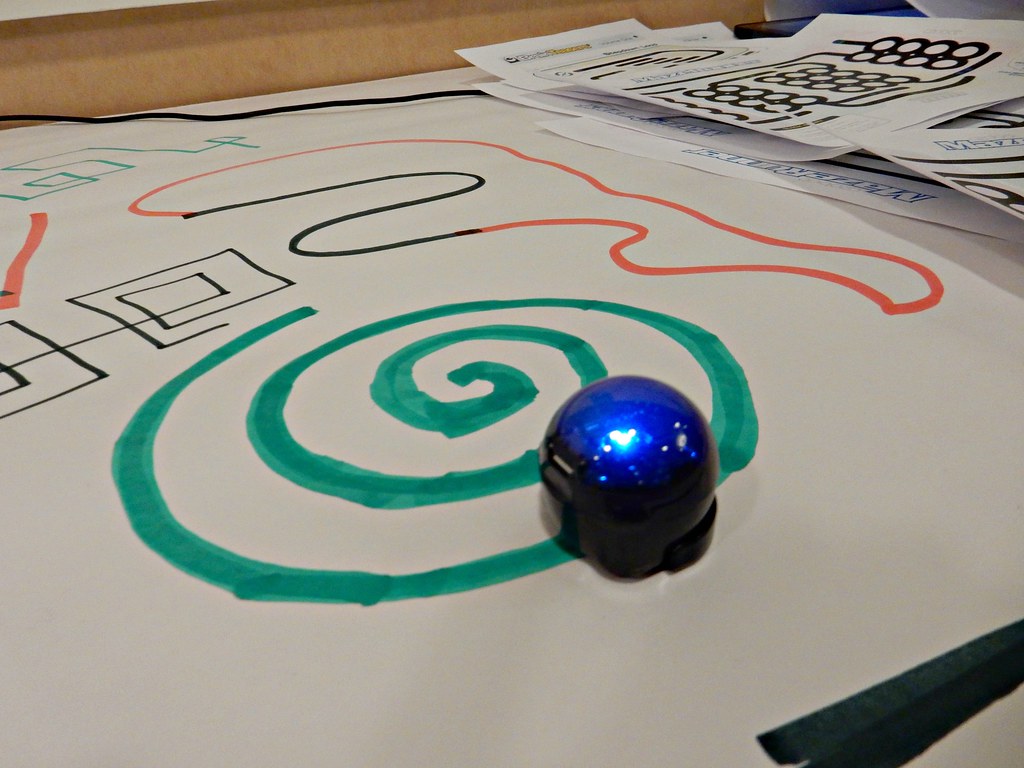
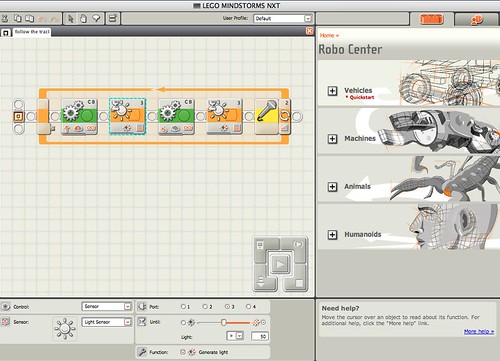
This also relates to applicability in one’s class, as LEGO EV3 can be provided in a sequence, progressively building up instructions and processes for your robot to follow. Ozobots comparatively are limited in such functionality, and thus are more one-off type of lessons, even for primary school students.
Students moving out of their comfort zone with the technologies presented in the tutorial/lecture for EDUC3620 align with the goals of the Melbourne Declaration, and independent bodies such as UNESCO which strongly support STEM (science, technology, engineering and mathematics). Students becoming “creative and productive users of technology, especially in ICT” can only be achieved if lessons with foreign technology, as mentioned by Alimisis (2012). However, the resource (robotic technology) is ineffective without a strategy to develop students ICT competence.
Alimisis, Dimitris (2012). Robotics in Education & Education in Robotics: Shifting Focus from Technology to Pedagogy. Robotics in Education Conference, 2012.
LEGO GROUP. (n.d.). Instant STEM learning with best in class robotics solutions. Retrieved from https://education.lego.com/en-au/product/mindstorms-ev3
Loveless, A., Burton, J., & Turvey, K. (2006). Developing conceptual frameworks for creativity, ICT and teacher education. Thinking Skills and Creativity, 1(1), 3-13.
 EDUC3620 Digital Creativity and Learning - Peter R's blog
Hi Peter,
It was interesting to hear about your initial fears of using robotics and how online resources helped you overcome this. I too felt out of my depth with this technology! Your comparison of Ozobots and EV3 was well thought out and demonstrated why they belong to their respective age groups.
Linking the technologies to the Melbourne Declaration really enhanced your argument but I wonder how it allows students to be creative? How would you use robots in the classroom?
LikeLike
Hi Rebecca,
Thanks for your feedback! I think incorporating LEGO EV3 in a sequence of work would best foster student creativity. Limiting robotics to students to a lesson or 2 would not allow for students to programme and build instructions for the robot to follow and thus would limit the robot’s capabilities. For example this could be programming the robot to sweep a piece of rubbish towards the bin.
LikeLike