The integration of games in the classroom is not a historical method applied by teachers, perhaps due to teachers sticking to what they are familiar with and having strong self-efficacy delivering. However, both Prensky (2008) and Squire (2006) suggest that students have been sorely missing out on large learning opportunities and valuable 21st century skills through incorporating games and gamification where possible during lessons.
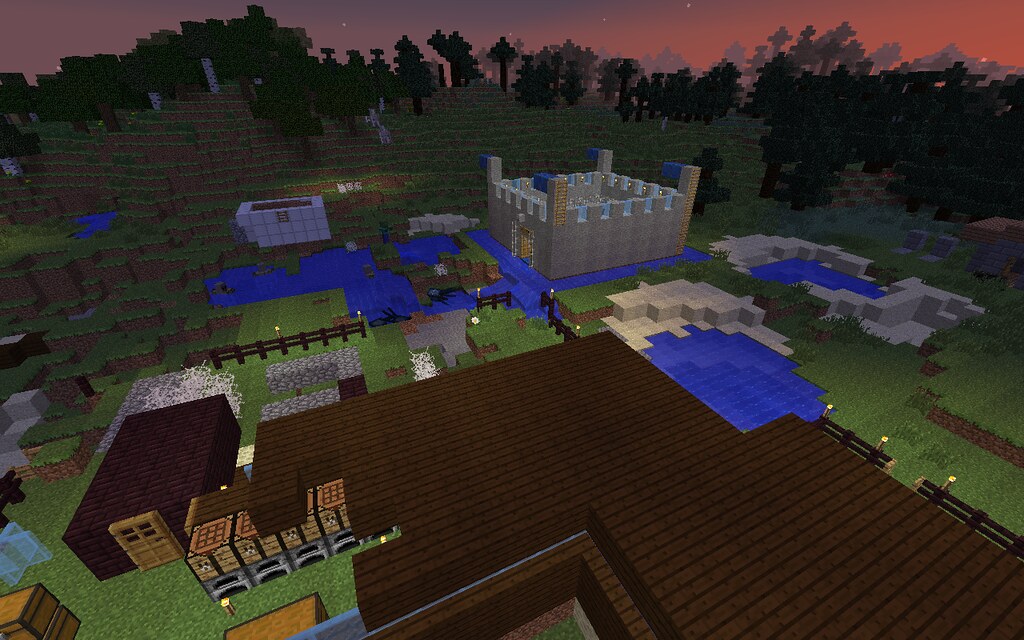
Both during and post tutorials, the Scratch App presented a number of positive elements, to support gaming as well as computational thinking. Users can solve undefined problems, recognise patterns and think systematically what orders to execute in the Scratch App, aligning with foundational principles for computational thinking and overall 21st century skills (i.e. coding). Programming a game in Scratch (n.d.) invokes creativity in students as their imagination can direct their constructions in the App. Shiny Learning is a site consisting of many out-of-the-box games for students to test, and potential activities include how students would design the games differently (to improve them), or utilise an app (such as Scratch) to develop the game with these changes. Minecraft is another suitable game which provides students with creative capacities for design.
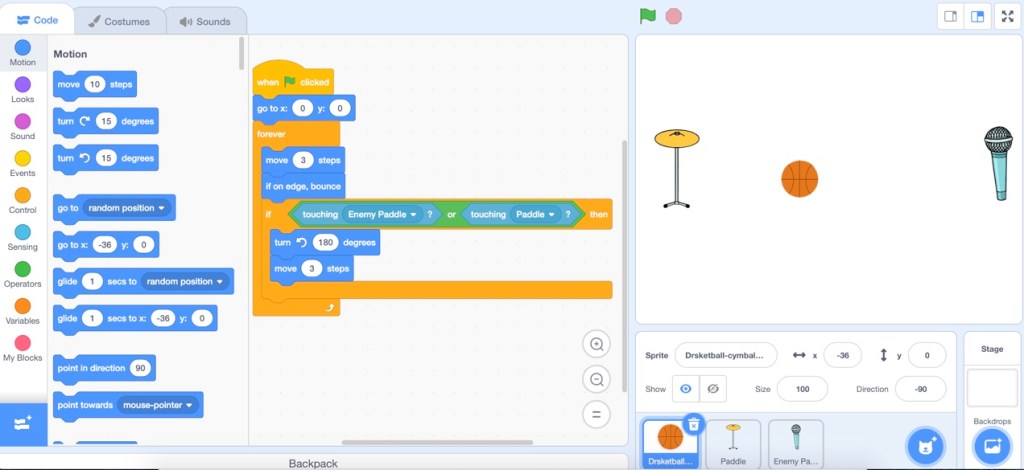
Students as designers of games can establish persistence, critical thinking, goal setting and the acceptance of productive failure (in fact, this is promoted!), according to Gee (2005). Despite the inability of some schools to offer games or applications to design games of a higher complexity, the foundational skills afforded to students are discovered with even the simplest of games. From a pedagogical perspective, incorporating the design of games can improve learning in the classroom.
The research on gaming suggests that collaboration and student-centred learning yields the most positive results in students regarding engagement and learning (Mayer, 2019). From a teacher perspective, less direction and more student inquiry in groups is recommended. Clark et al. (2016) affirms these thoughts, providing that high quality scaffolding is provided by teachers so that students of different intellectual capacities can thrive in the same task.
Gamification occurs in many classrooms today, perhaps with some teachers being unaware that they engaging students through integration of ‘game-like’ elements during conventional learning activities (Hamari, Koivisto & Sarsa, 2014). Gamification promotes social skills, skills/achievements based learning and inspires out-of-the-box thinking. Supporting student motivations are possible, but not if the gamifying of tasks is not tied to learning objectives, or is not engaging for students.
References
Clark, D. B., Tanner-Smith, E. E., & Killingsworth, S. S. (2016). Digital games, design, and learning: A systematic review and meta-analysis. Review of educational research, 86(1), 79-122.
Gee, J. P. (2005). Good video games and good learning. Phi Kappa Phi Forum, 85(2), 33-37.
Hamari, J., Koivisto, J., & Sarsa, H. (2014, January). Does Gamification Work?-A Literature Review of Empirical Studies on Gamification. In HICSS (Vol. 14, No. 2014, pp. 3025-3034).
Prensky, M. (2008). Students as designers and creators of educational computer games. British Journal of Educational Technology, 39(6), pp. 1004-1019.
Mayer, R. E. (2019). Computer games in education. Annual review of psychology, 70, 531-549.
Scratch. (n.d). About Scratch. Retrieved from https://scratch.mit.edu/about
Squire, K. (2006). From content to context: Videogames as designed experience. Educational Researcher, 35(8), pp. 19-29.


Hi Peter,
Wow! What an impressive blog page you have. I have loved reading your posts in response to the different topics of the unit.
Your points on gamification are great! I personally love to use gamification in the classroom as I find that it gets all the children involved and engaged (even the reluctant ones!). Recently, I used the Scratch app with my year 3 class while on prac. We had a “Tremendous Technology” lesson where the children used the devices to make their own codes. The kids absolutely loved it!
I like how you included the use of Minecraft in your blog. It seems that amongst many teachers, Minecraft is not seen as a learning tool. Again, the children in my class have been loving free tech time in class to jump onto Minecraft. What a great way for students to learn, create and problem solve without even knowing it!
I would love to hear about how you are/will use gamification and technology in your own teaching!
Thanks,
Ash
LikeLike
Hi Ash,
Thankyou very much! It certainly makes me more comfortable that many of the strategies suggested through the various blogs have been implemented in classrooms effectively! I haven’t had a chance to test these out on my prac yet due to it being delayed, however applying technology where it will enhance creativity and learning will be core to when I utilise it. During my pracs I think gamifying tasks and creating some form of leaderboard will be a good initial starting point, and eventually introduce technologies once I have some familiarity with the class, such as Minecraft!
Thanks, Peter
LikeLike
Hi Peter,
Great points! Yes, I would love to include a leaderboard type scenario in my class. Possibly with the use of table groups rather then individual students would enhance the gamification and friendly competitiveness.
Best of luck with your future teaching!
Ash
LikeLike