E-Portfolio
Are Makerspaces Effective for K-12 Students?
Makerspaces are spaces where ‘making’ can occur through a number of methods, such as robotics, electronics or creations (Peppler & Bender, 2013). The pedagogical approach is constructionism, where student learning is achieved through students reconstructing their pre-existing knowledge and understandings as opposed to a teacher-centred authoritarian tactic (Lain, 2016). Technologies in Makerspaces have the ability…
Can Games/Gamification Improve Learning in the Classroom? (Scratch App)
The integration of games in the classroom is not a historical method applied by teachers, perhaps due to teachers sticking to what they are familiar with and having strong self-efficacy delivering. However, both Prensky (2008) and Squire (2006) suggest that students have been sorely missing out on large learning opportunities and valuable 21st century skills through incorporating…
Virtual Reality – Providing Different Insights for Student Learning (CoSpaces)
Virtual Reality provides students with a virtual environment in a computer-generated setting, where users can interact through an interface in real time using the user’s actions (Innocenti, 2007; Tussyadiah, Wang, Jung & Dieck, 2018). To illustrate a certain level of VR immersion, the CoSpaces application was used in tandem with Google Street View during this week’s…
Augmented Reality in the Classroom (Anatomy 4D; Skyview Apps)
Augmented Reality (AR) systems are those which allow real and virtual objects to coexist in the same space and be interacted with in real time by the user (Azuma, 1997). Akçayır & Akçayır (2017) mention how useability and technical issues are common challenges in the learning environment. It is true that non AR apps such as Tinkercad or…
Robotics in the Classroom – Do they fit in? (LEGO EV3)
After the EDUC3620 tutorial this week, I did not feel a high level of self-efficacy when researching LEGO EV3 robots and brainstorming how I would use them to effectively foster learning in the classroom. Loveless, Burton & Turvey (2006) discuss how pre-service teachers especially do not feel confident moving out of their comfort zone (similar…
Computational Thinking – Developing Cognitive Capabilities for Life Beyond School (Blockly Maze)
Computational Thinking are the skills and cognitive capabilities which directly relate to problem solving. As discussed in the EDUC3620 lecture this week, there are a number of emerging technologies which would promote creativity and learning in the classroom dependent on what stage the students are at. Both ACARA and NESA advocate the development of computational…
Tinkercad – Fostering Learning through Design
Tinkercad is an emerging technology which can foster digital creativity and learning in the classroom, specifically in 3D CAD (Computer Aided Design) Design. Tinkercad is a free-to-use online software, where users have the ability to ‘think, create and make’ using the design tools provided, and print their designs (permitting that they have access to a…

Quiver Vision Critique
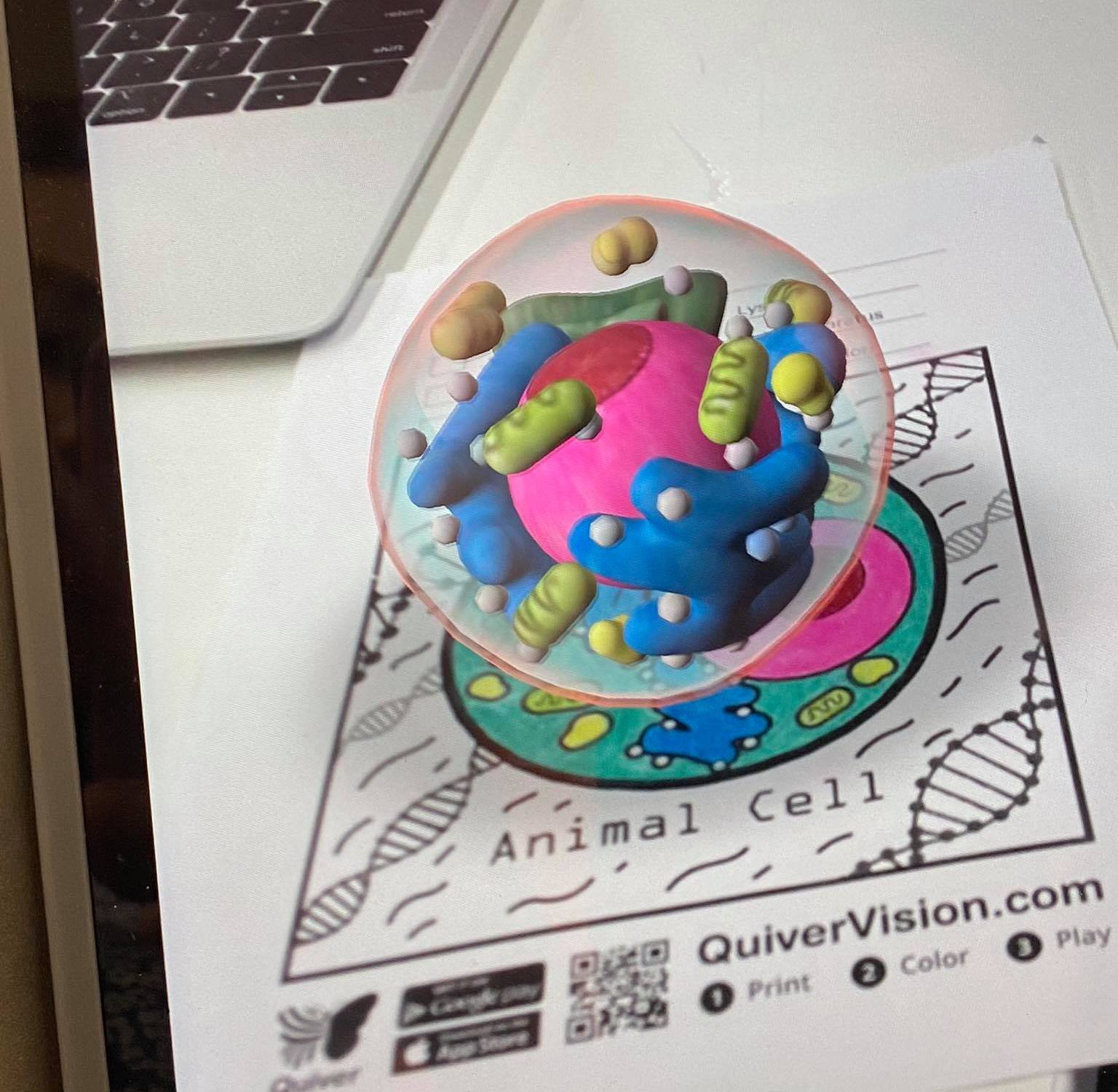
An emerging technology to enhance student creativity is Quiver Vision. This is an AR (Augmented Reality) software that produces 3D animations from a piece of paper, which the user colours in for enhanced animation (QuiverVision, 2016). From the group discussion in the tutorial, Quiver Vision is easy to learn, straightforward, and is initially engaging for…
 EDUC3620 Digital Creativity and Learning - Peter R's blog